
BLOG
Read my articles and contributions for Artuu Magazine
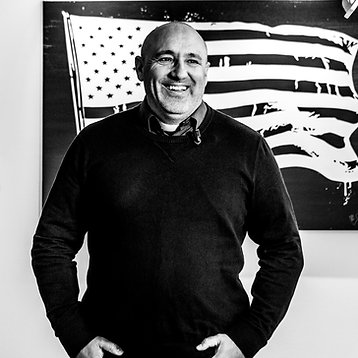
I am Deodato Salafia, proud owner of 7 companies in the field of art and new technologies and Best Seller writer
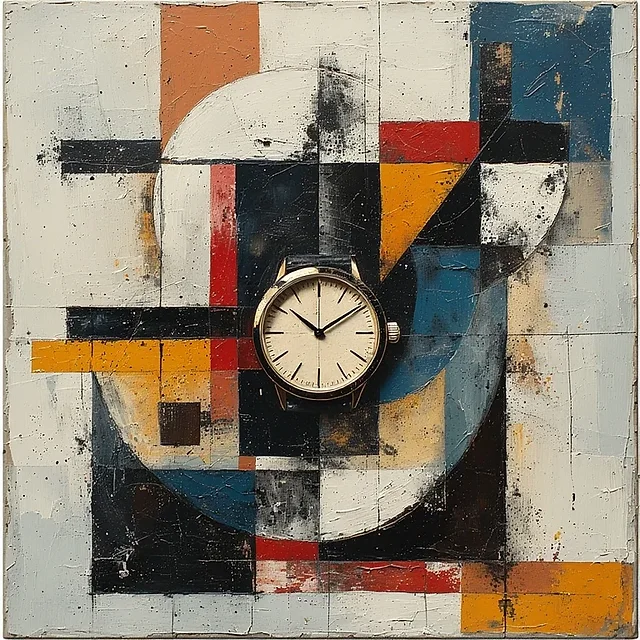
When Imperfection Becomes Luxury
In the coming years, we will have access to an unprecedented amount of synthetic beauty. Generative Artificial Intelligence is driving the marginal cost of visual production towards zero: a perfect, technically flawless, aesthetically calibrated image can be g
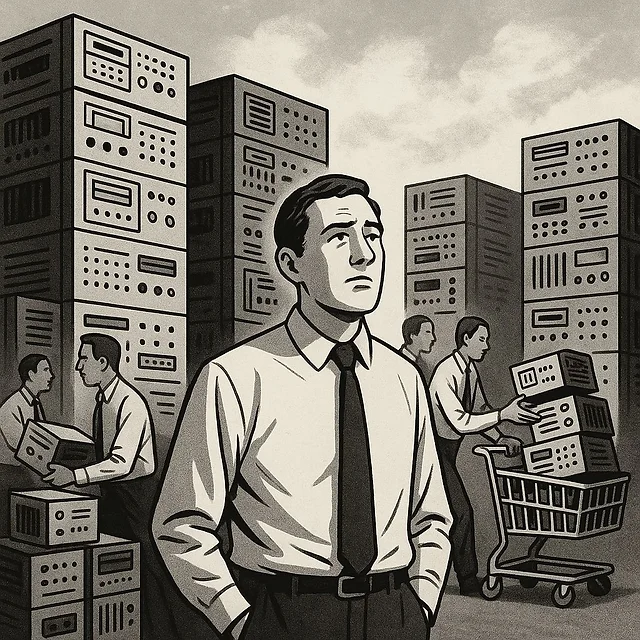
The Liberated Time. Ethics and Fragility.
“Which of you by worrying can add one hour to his life?” (Matthew 6:27) The promise of technology is always the same: to liberate time. For centuries we have been building tools to shorten work, accelerate processes, and reduce fatigue. Artificial intelligence

The Jevons Paradox: Why Artificial Intelligence Will Not Destroy Jobs
When in 2016 Geoffrey Hinton, one of the fathers of artificial intelligence, declared that within five years radiologists would become obsolete, it seemed an inevitable prediction. Yet, nearly ten years later, the demand for radiologists has not only not dropp
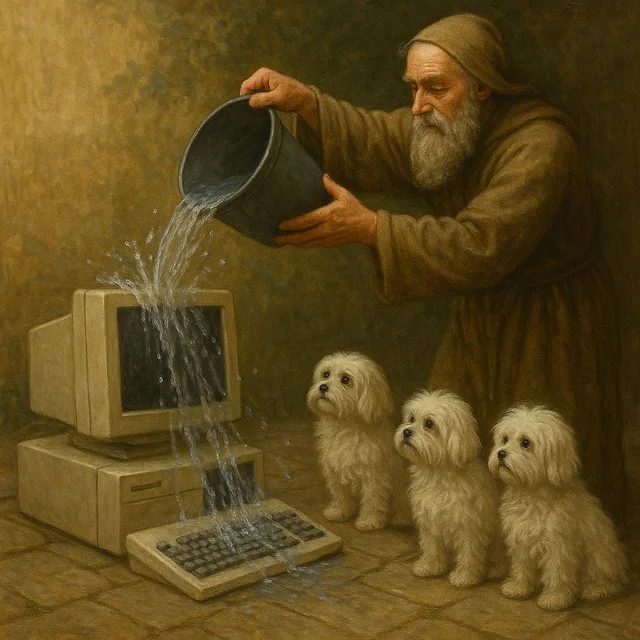
Socrates, Pope Leo XIV, and the Luddites' Lesson: Three Thousand Years of Technological Fears
Nottinghamshire, England, 1811. In the darkness of a March night, a group of textile workers bursts into a factory armed with hammers and axes. Their goal isn't money: they want to destroy the mechanical looms that are stealing their jobs. They call themselves
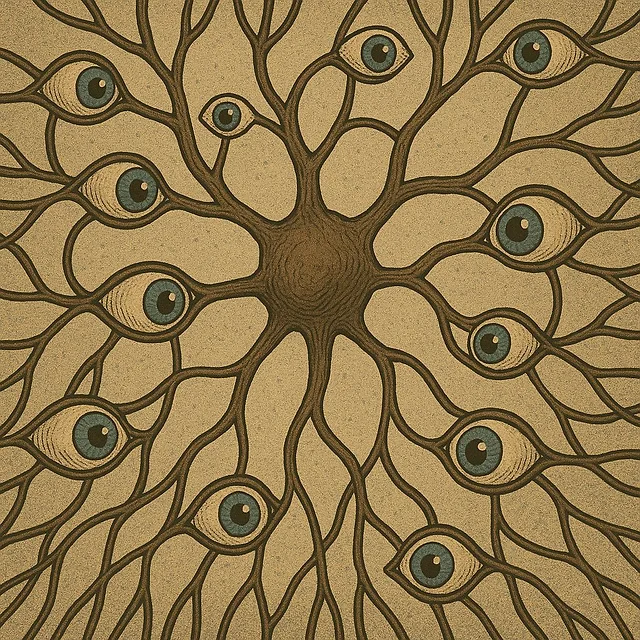
Spinoza and the Neurosciences: Determinism put to the Test of Time
The emergence of artificial intelligence has brought questions normally confined to academic halls back to the center of public debate. Given the growing complexity of AI, the question of the nature of consciousness has become urgent and inevitable. At the hea
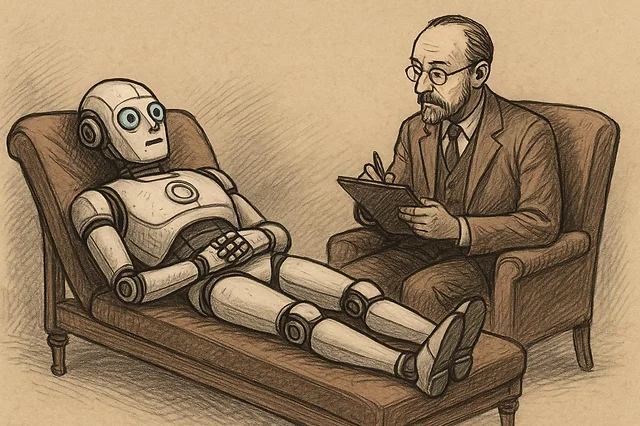
Neurolinguistic Programming, Interpersonal Communication, and AI
In the 1970s, at the University of California, Santa Cruz, from the ingenuity of Richard Bandler, then a mathematics and computer science student, and John Grinder, a linguistics professor, an insight was born that for over 50 years has been leaving a very imp
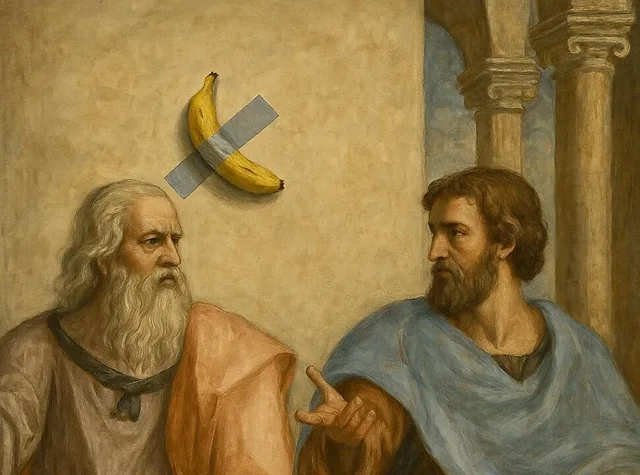
The Obligation of Truth: An Investigation into the Function of Art from Plato to Artificial Intelligence
Must art express truth? This question, as simple in its formulation as it is profound in its implications, spans the entire history of Western thought. It presupposes an almost moral link between the work and a value—truth—that seems to belong more properly to
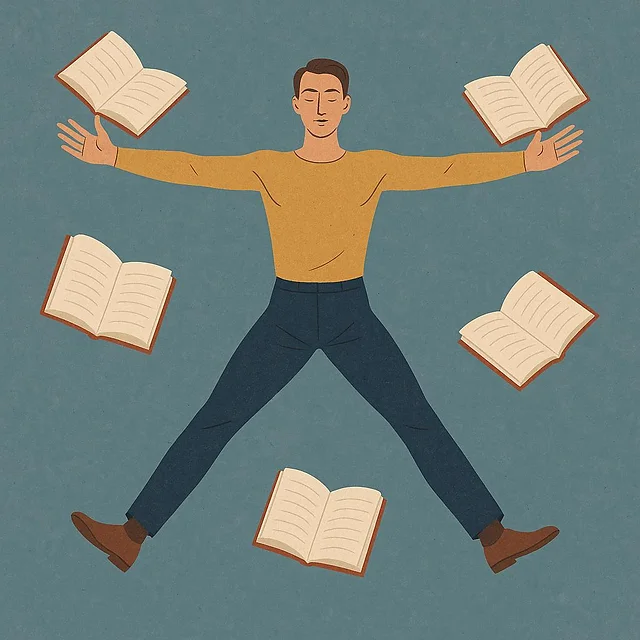
The End of Learning As We Know It: Just-in-Time Learning
In 1975, a Toyota engineer named Taiichi Ohno looked at his factory's warehouses, full of unused components, and asked a question that would change the world: "Why produce today what will be needed tomorrow?" Fifty years later, that same intuition is shaking t
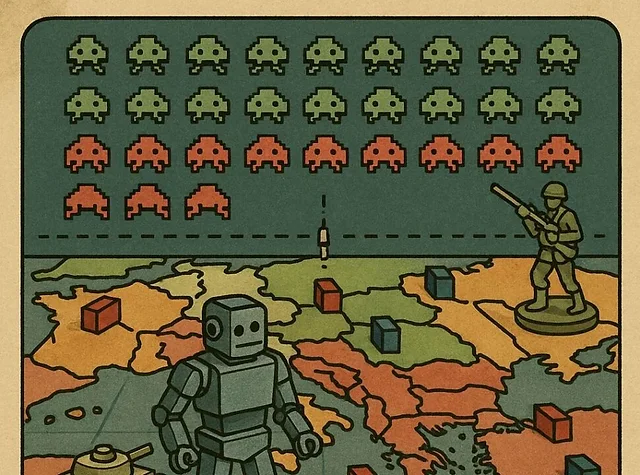
Artificial Intelligence in Conflicts: A Reconsideration of Human Intervention in Military Decisions
The Presidential Statement and the Ethical Debate In his speech for the 164th anniversary of the establishment of the Italian Army, the Italian President Sergio Mattarella addressed the topic of technological evolution and artificial intelligence in the milita
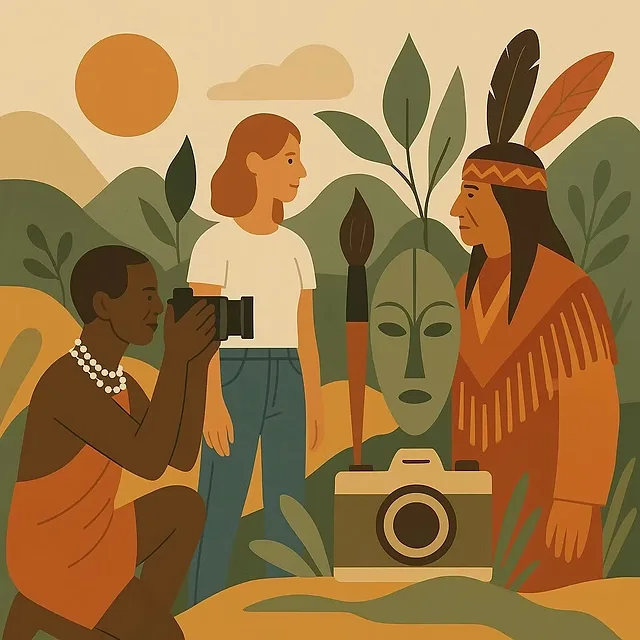
At the Crossroads Between Art and Anthropology: When the Artist Becomes an Ethnographer and Art Meets Life
When Jimmy Nelson published Before They Pass Away (2013), his monumental photographic series dedicated to Indigenous peoples around the world, it sparked contrasting reactions. On the one hand, images of extraordinary formal beauty that captured the imaginatio
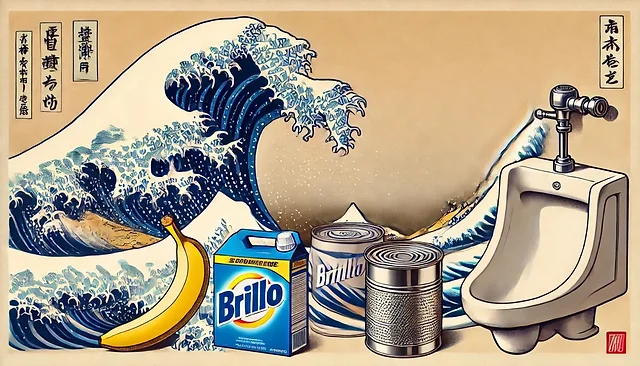
What is Art? An Answer from Japan, from Hokusai to the Present
If we were to ask, “What is art?” in the West, we would likely receive answers that seek clear, precise, and often universal definitions. Since the 1950s, Western philosophers and critics have intensely debated the need to establish objective criteria to disti
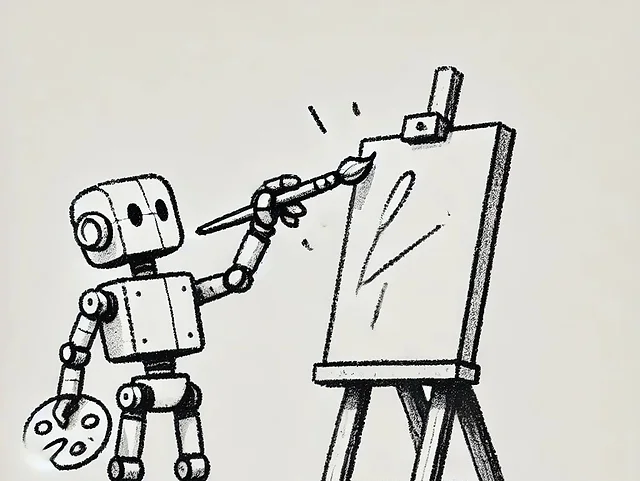
Can AI Create Art? The Definitive Answer
It’s the question of the moment: AI can write texts, perform calculations, make strategic guesses, and provide advice. It can generate songs, sounds, images, and, with the help of robotics, even sculptures. But can its creations be called art? Philosophers hav
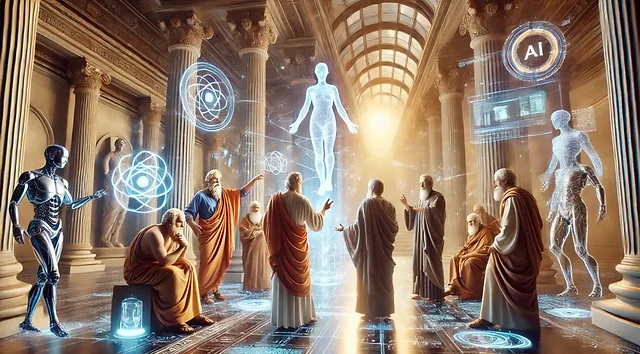
From Classical Definitions to Artificial Intelligence: Toward a Relational Ontology of Art
Philosophical reflection on art has ancient roots. Plato (427–347 BCE), in The Republic and Ion, considered art an imitation of reality, inferior to the knowledge of ideas: as a "copy" of an already imperfect world, art could never attain true knowledge. Arist
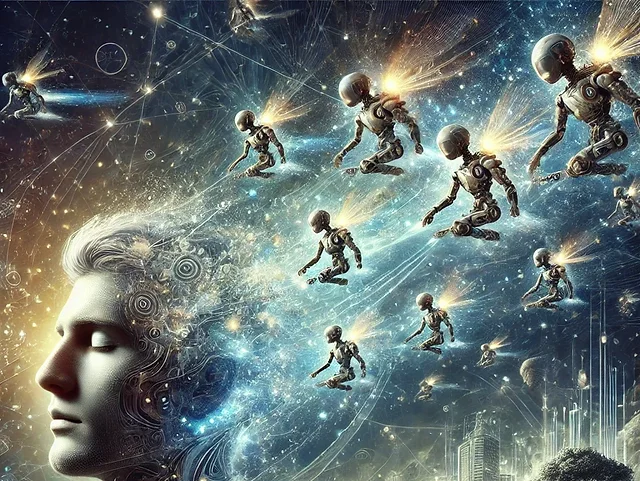
Thinking as an Option. Desire is the New Paradigm of 2025
Let’s start with a fact: a significant part of our work consists of reading or entering data. Often, we handle the same information multiple times, reading it from one place just to enter it somewhere else. Occasionally, we think, but most of the time, our thi
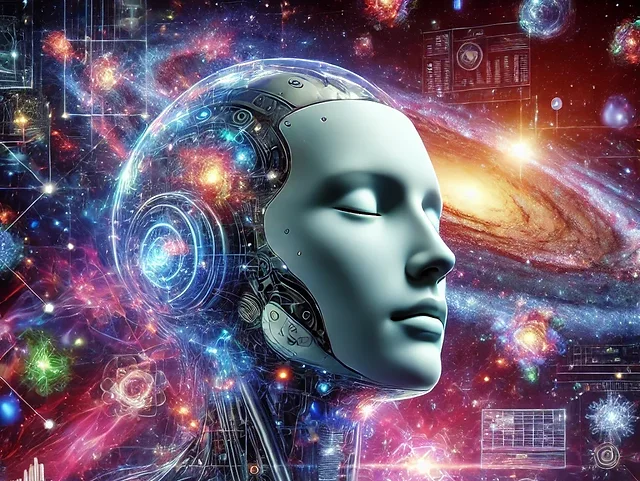
The Entropy of Knowledge: Why AI Doesn’t Forget and Why It Should
Solomon Shereshevsky had an extraordinary gift: he never forgot anything. He could recall long sequences of numbers even years later, relive every moment of his life with photographic precision, and remember every face, sound, and sensation. Yet, this gift tur
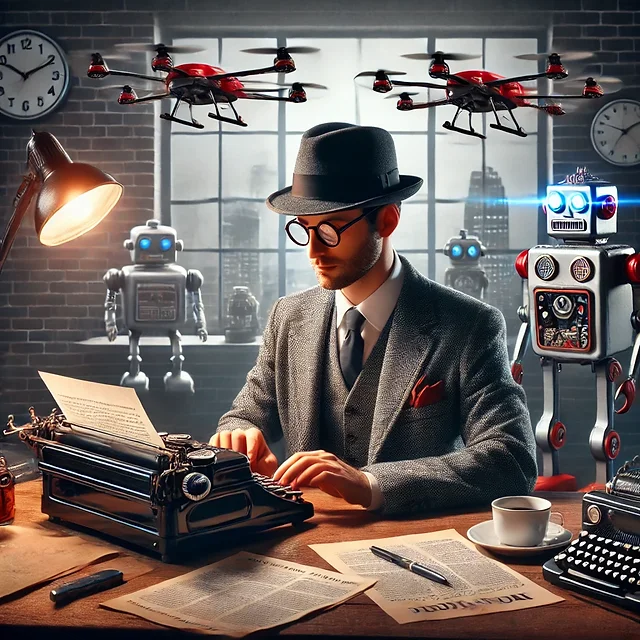
News in Overdose of Technology? Slow Journalism as a Response
The evolution of journalism has never been separate from technological progress. Gutenberg’s printing press, telegraphy, and, more recently, the Internet have redefined the production and consumption of news. However, the rise of Artificial Intelligence (AI) a
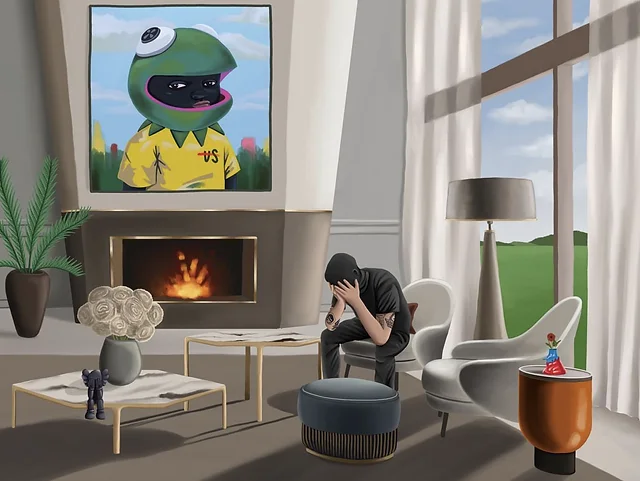
The Reason for the Decline of NFTs
In 2021, it was difficult for me to park a car, call a repairman, or even go to dinner with anyone without being asked how to interact with (to buy and resell) NFT works. As a gallerist and computer scientist, I certainly should have known, but in reality, I d
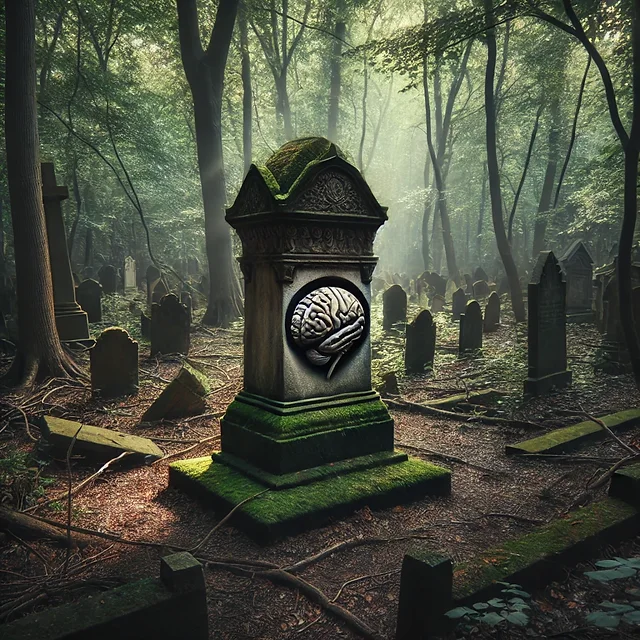
The Death of Intelligence
From April 2024 until today, on this magazine, we've explored philosophy, history, and perspectives of artificial intelligence (AI), ethics, and even touched upon spirituality. It's time to take stock and offer some reflections. We've established that AI is ju
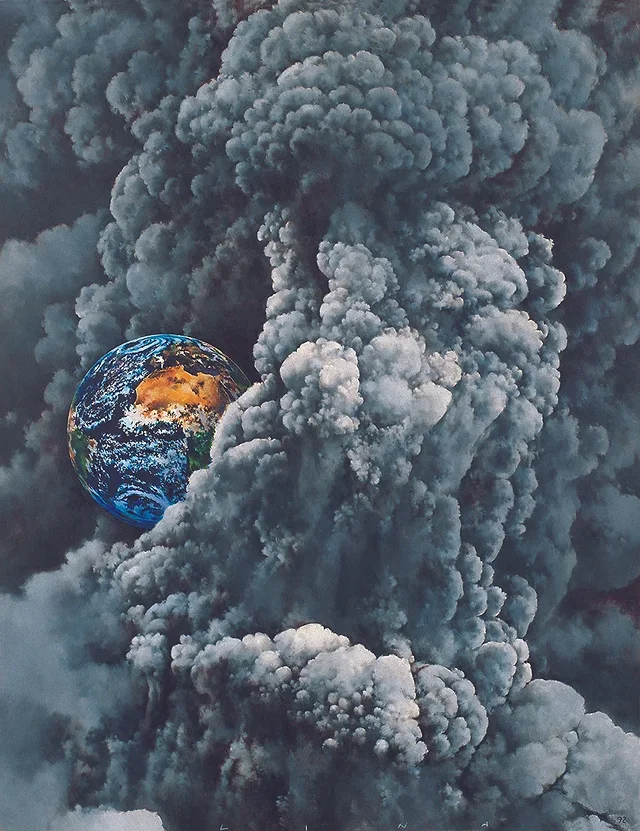
I'll Tell You About the Theologian Who Proved Why AI Will Never Surpass Man (Part 2)
In the previous part of this article, we reflected on the goals that Robert J. Spitzer in Why is Human Self-Consciousness Different from Artificial Intelligence and Animal Consciousness sets for demonstrating why AI will never truly be able to reach our “human
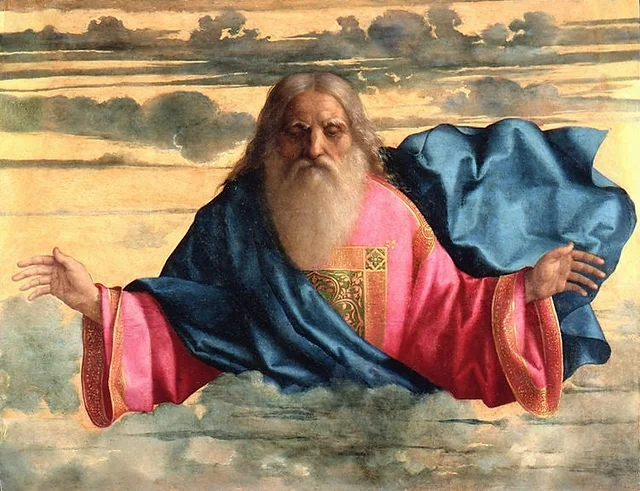
How Information is Measured and Why God is the Source of Every Doubt
We live in an increasingly digital world, where we not only create and consume information but also manipulate it formally. Knowing that my mom will prepare meatballs on Sunday is a fact, while holding a smartphone with a message containing this information pr
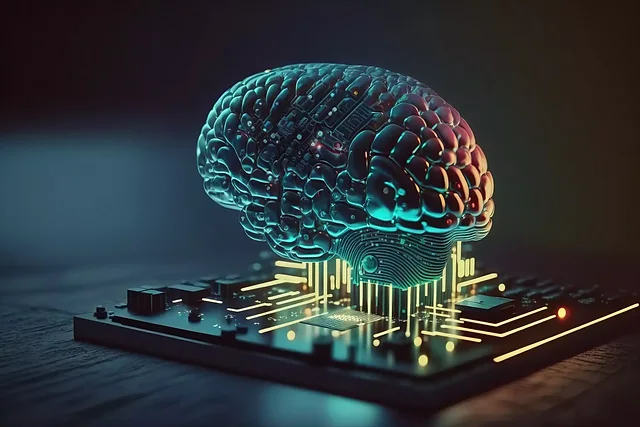
Artificial Intelligence, Philosophically Speaking (Pt. 1)
We recently wrote about how the meaning of being "human" might be framed in relation to AI (through the thought of Giordano Bruno, William of Ockham, Thomas Hobbes). We've always had to talk about the existence of God (understood as metaphysics, that which goe
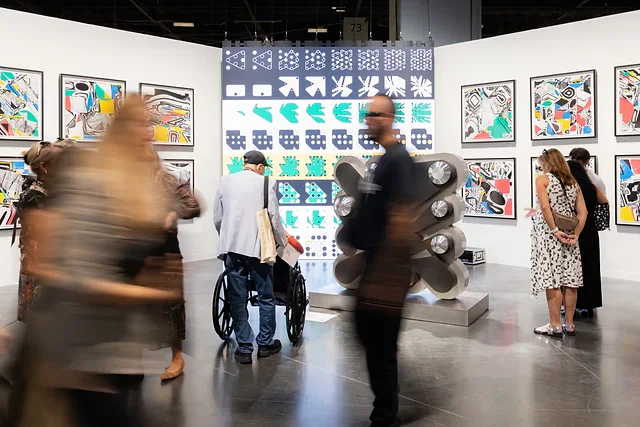
Zero 10: Digital Art at the Heart of Art Basel Miami. What are the signals?
"Zero 10 reflects a strategic conviction: digital art is no longer on the margins; it has become an integral part of how art and the market are evolving in real-time," stated Noah Horowitz, CEO of Art Basel, presenting the new platform at Miami Beach 2025. Str
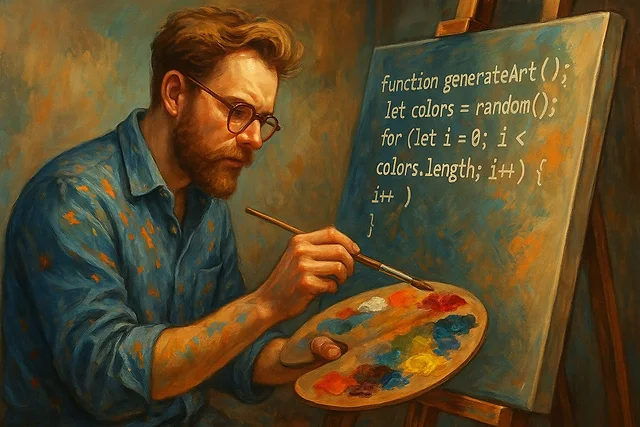
And Now Everyone Can Make Algorithmic Art: The Accessible Revolution of Creative Code
Platforms like Claude, with the new Artifacts features (2025), have introduced the possibility for anyone to generate algorithmic art simply by describing what they want to create. But what exactly does “algorithmic art” mean, and why does it represent somethi
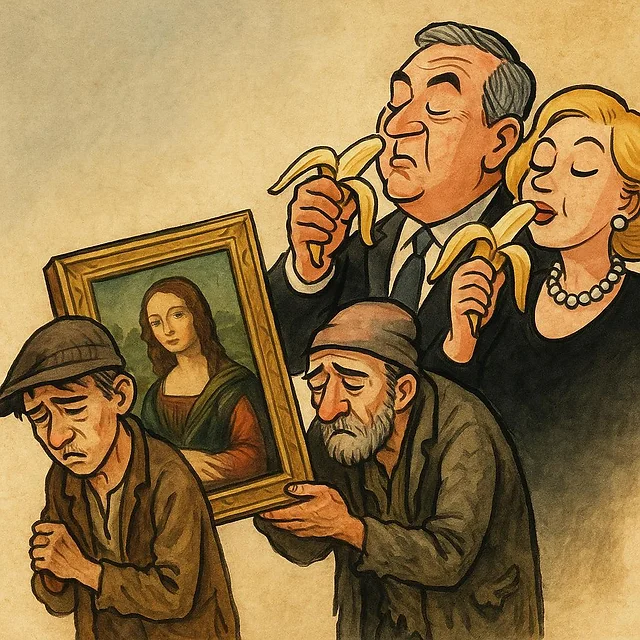
The Value is a Story: How the Art Market Constructs its Prices
In the art world, price is never just a number. It is a narrative. It speaks of artists' reputations, dealers' prestige, and the perceived quality of the works. It is the result—and at the same time the driving force—of a complex interplay between culture and
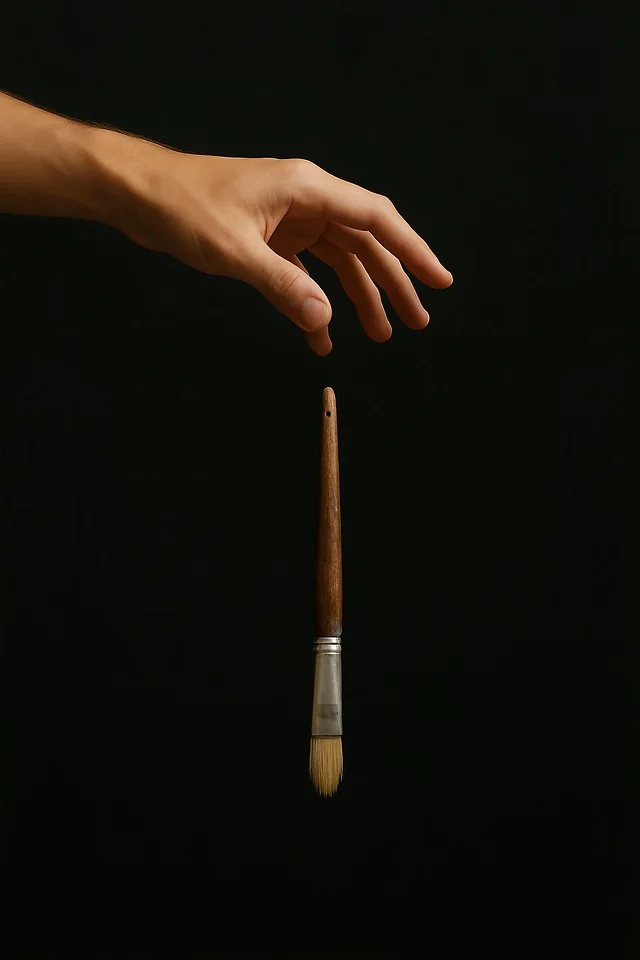
The Art of Humility in the Age of Personal Branding
Every creative act hides an ethical choice: to impose a vision or to allow something autonomous to emerge, not as a random event but as a spontaneous process of listening. This is true for someone who manipulates an algorithm, for someone who sculpts marble, a
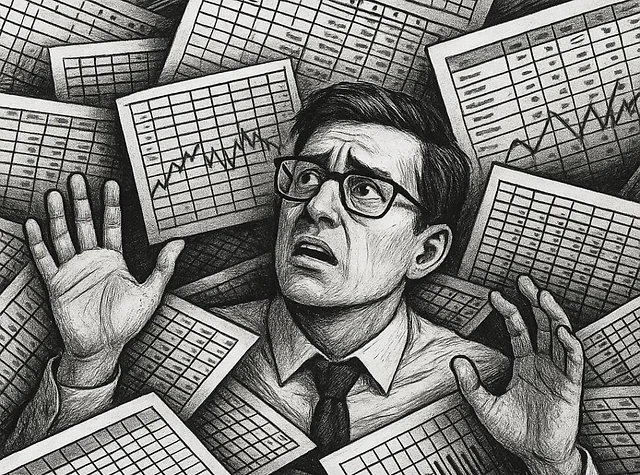
The End of the Database Era: How AI Is Freeing Us from 60 Years of Data Obsession
For sixty years we have lived under the dictatorship of the database. Every aspect of our digital existence has been shaped, deformed, and forced into the rigid cages of tables, columns, and relationships. The tax form that forces us to choose between categori
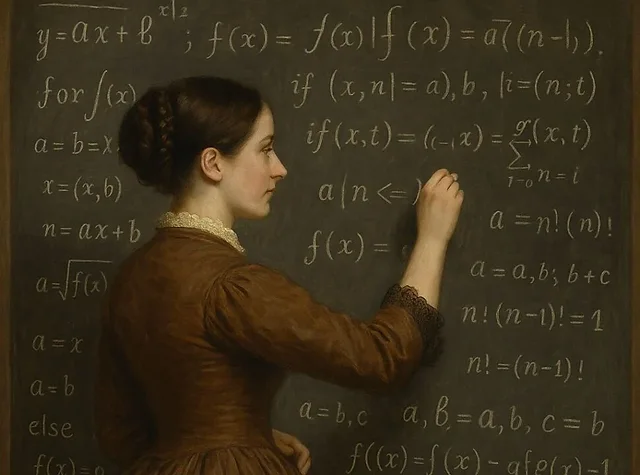
Ada Lovelace: Genius, Gossip, and the Rebellious Poetess of Artificial Intelligence
In the gallery of minds that have shaped our technological era, few figures shine with the controversial and fascinating intensity of Ada Lovelace. Defined as history's first programmer, her existence was an inlay of brilliant insights, a dazzling social life,
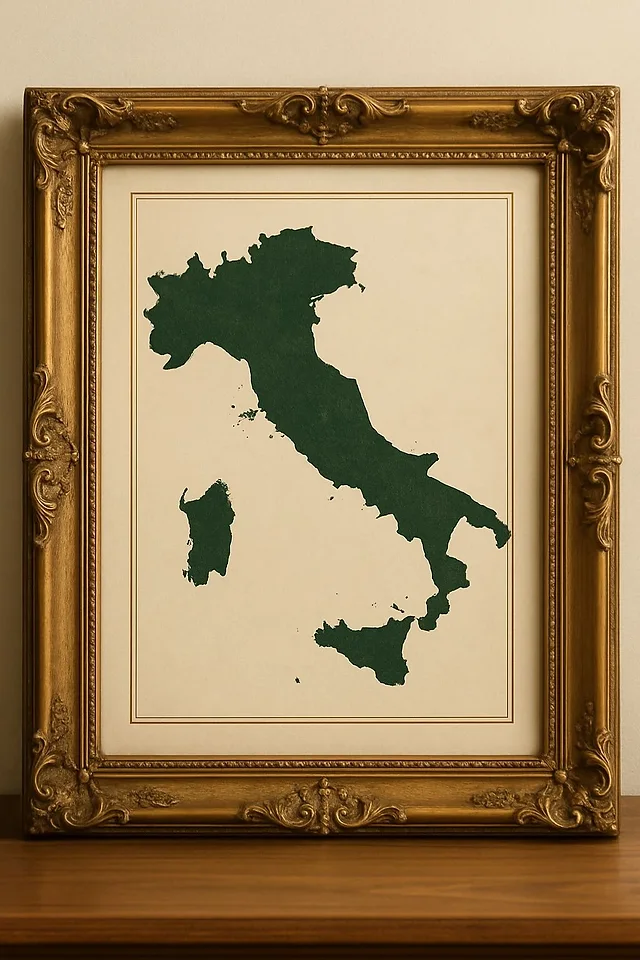
VAT on Art: A Simplified Explanation (More or Less)
The news is significant: on Friday, June 20, 2025, it was finally announced that VAT on art will decrease from 22% to 5%. However, among industry insiders, there are several questions on certain issues that deserve clarification. First of all, it's important t
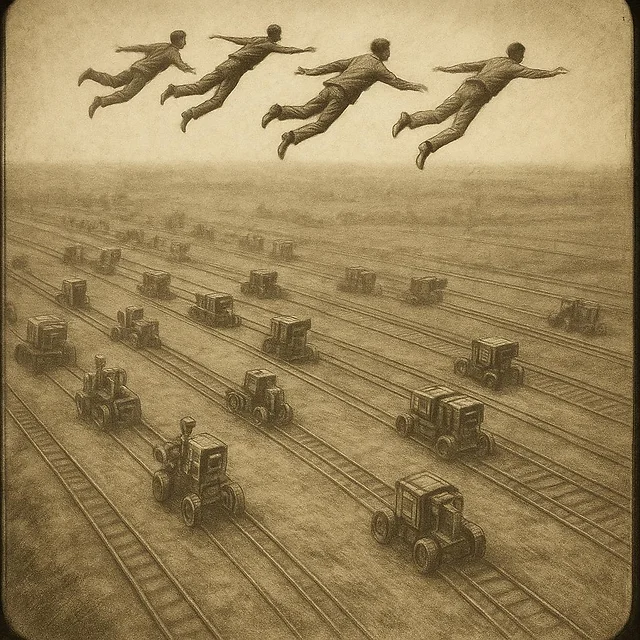
Artificial Intelligence and Human Freedom: Beyond Cacciari's Dystopia
On October 8, 2024, during the Festival del Presente promoted by Pandora magazine, the philosopher Massimo Cacciari delivered a master lecture titled "From Utopia to Dystopia," offering a philosophical reflection on the relationship between artificial intellig
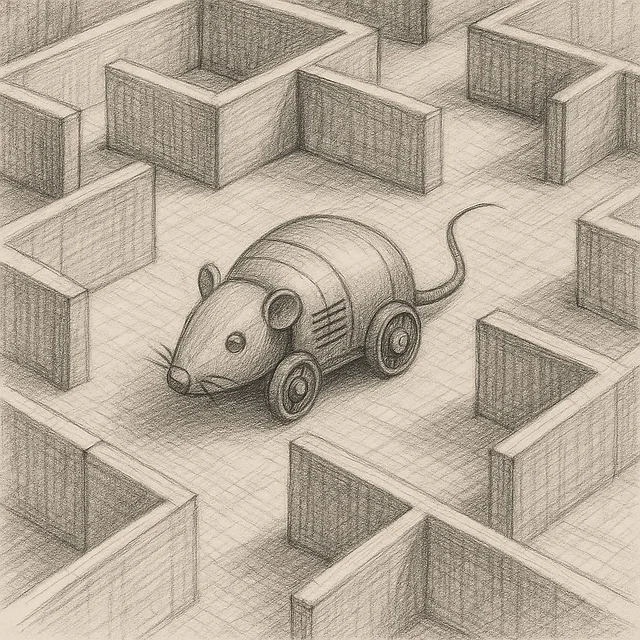
Claude Shannon: The Multidisciplinary Pioneer of Artificial Intelligence
When we talk about Artificial Intelligence, the name that immediately comes to mind is Alan Turing, universally recognized as one of the founding fathers of the discipline. However, there is another intellectual giant whose contribution was equally crucial, al
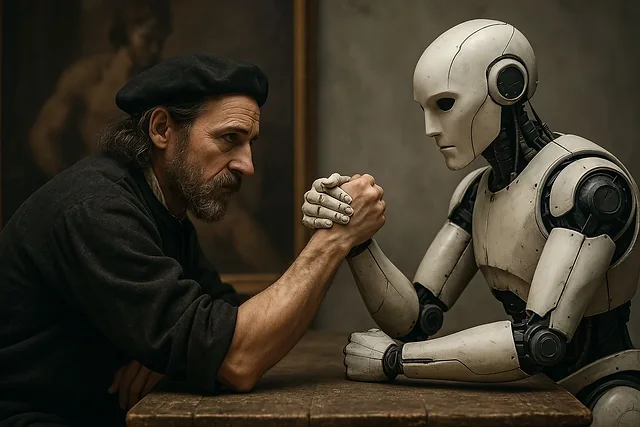
Alexander Gottlieb Baumgarten and Generative Art: A New Perspective
Today we talk about a lesser-known but extremely important philosopher in the debate between art, aesthetics, and authorship. What would he think today of generative art? Alexander Gottfried Baumgarten (1714–1762), a German philosopher trained in the rationali
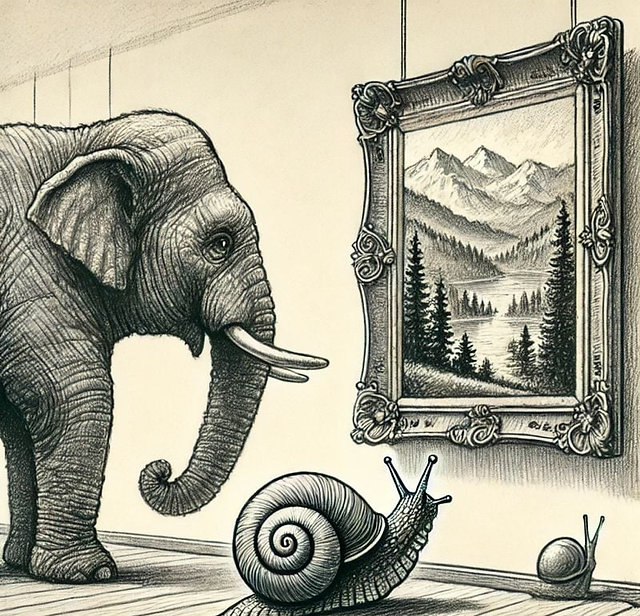
Theory Theory: She Doesn't Know What I Think I See (How We Construct Meaning in Art)
Have you ever found yourself standing in front of a contemporary artwork and thinking, “But what does it mean?” Or, on the contrary, feeling deeply moved by an abstract painting while the person next to you dismisses it with a shrug? The truth is, we don’t all
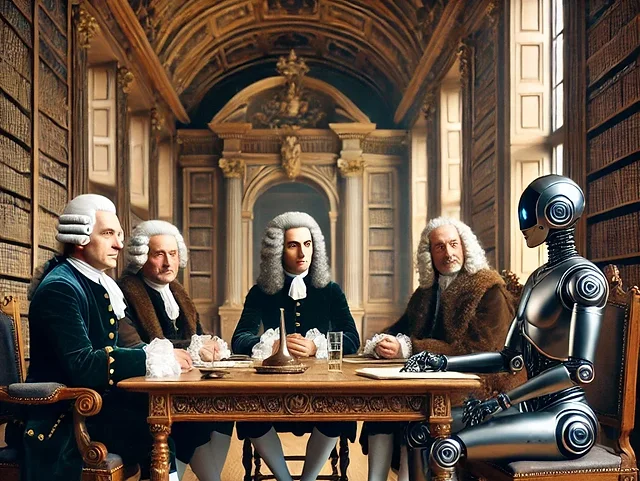
What Would Kant, Hegel, and Voltaire Say About Artificial Intelligence?
The Enlightenment was an 18th-century cultural and philosophical movement that sought to emancipate humanity from ignorance and dogmatism through trust in reason, science, and progress. Today, we might ask whether this new algorithmic "reason" can fulfill a si
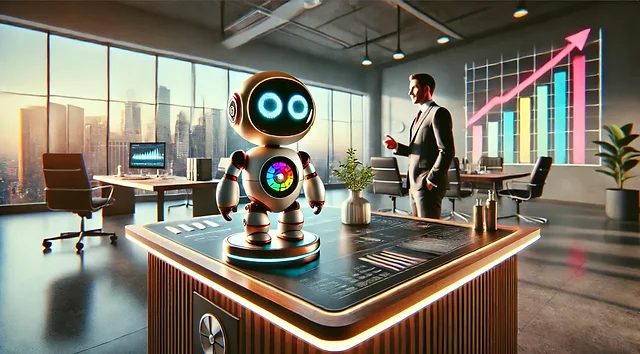
The Future with AI: Not Computer Scientists, Not Humanists, But Managers Will Lead the Transformation of Business Processes
The CES in Las Vegas has just ended—the most significant event for consumer electronics—and two key concepts stand out: IoT (Internet of Things) and AI Agents. It was already foreseeable by mid-2024, but as 2025 begins, the reality is undeniable: intelligence
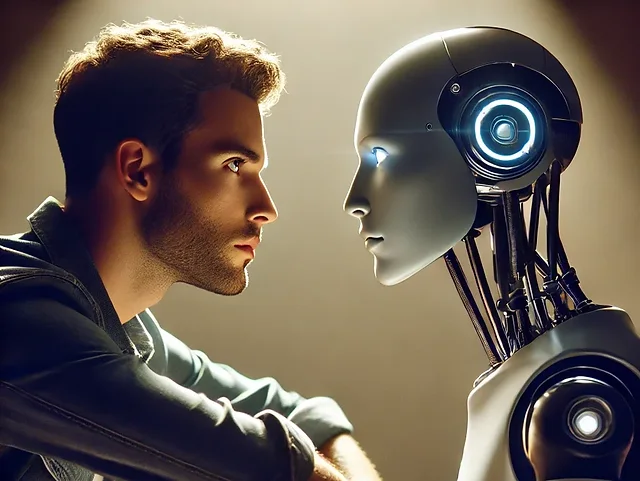
How an AI Lies: A 137-Page Analysis of a Troubling Technology, While the Real Danger Remains Humanity
Politicians often adjust their behavior or rhetoric to appeal to voters, especially during election campaigns. They pretend to align with public interests to secure votes, only to reveal different agendas once elected. A job candidate might fake enthusiasm for
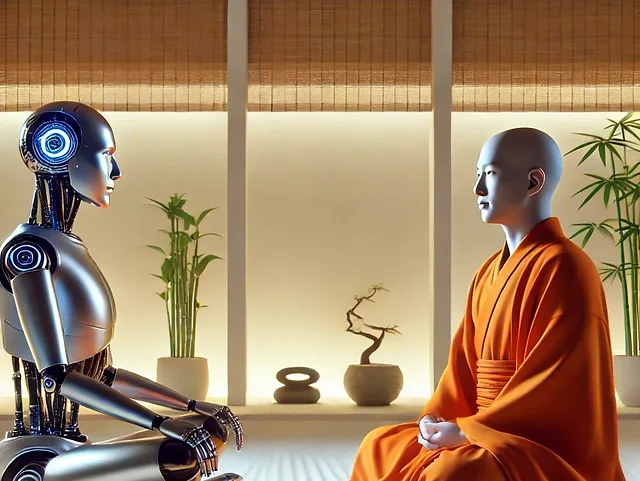
AI Agents Don’t Get Offended (And Neither Do Zen Monks)
I had been thinking for days about how interesting it is to communicate with someone who never takes offense. I have only encountered this with Zen monks—and lately, with AI. Could they have something in common? It’s Saturday night, November 30, 2024. I’ve jus
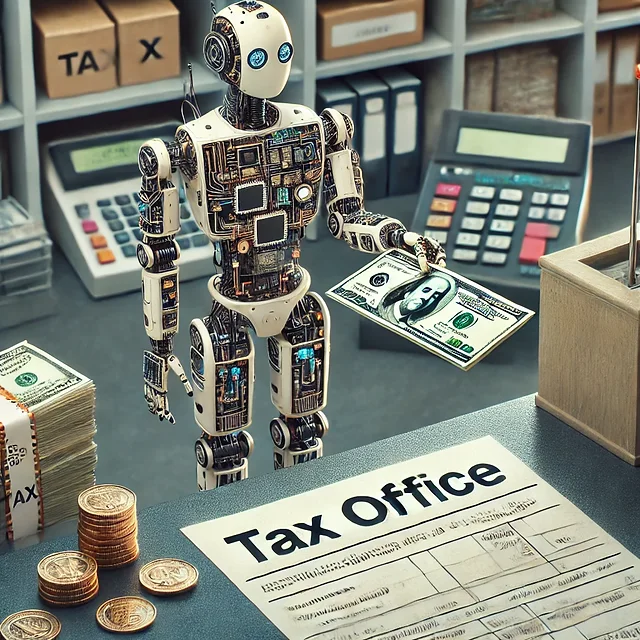
Taxing Robots: Solution or Fantasy?
Robots—cold-hearted machines (except for occasional CPU overheating)—promise either to save the global economy or to doom it to a dystopian abyss. If you're wondering whether these steel and silicon blocks should pay taxes, you're not alone. In recent years, t
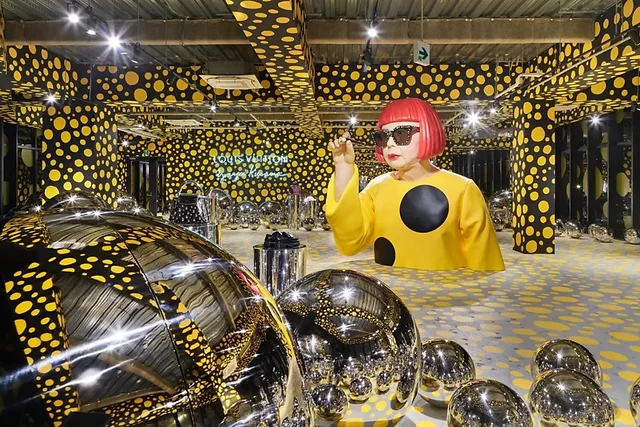
Art and Branding (pt. 2): art at the service of line extension in brands
By brand line extension is meant the possibility of a brand, strong in one category, to be able to commercially embrace further categories in different sectors. An example can be a high fashion brand that creates perfumes (Armani, for example), or an automotiv
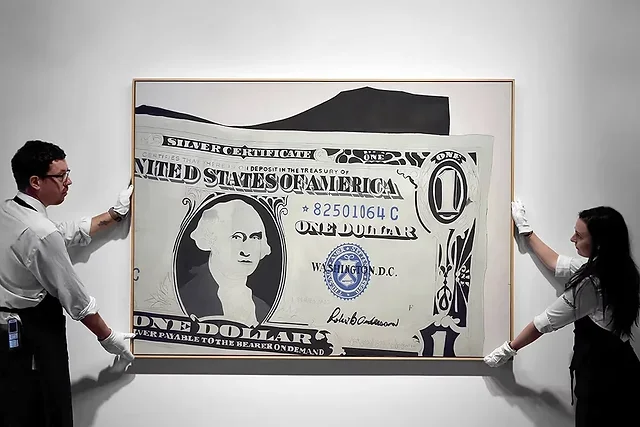
Arte, branding e brand performance (pt. 1)
“Although marketing practices have been widely applied in the field of art, there remains a concern that a ‘barrier’ still exists between the arts and the business world, where art is seen as an autonomous entity, without any involvement from the commercial wo
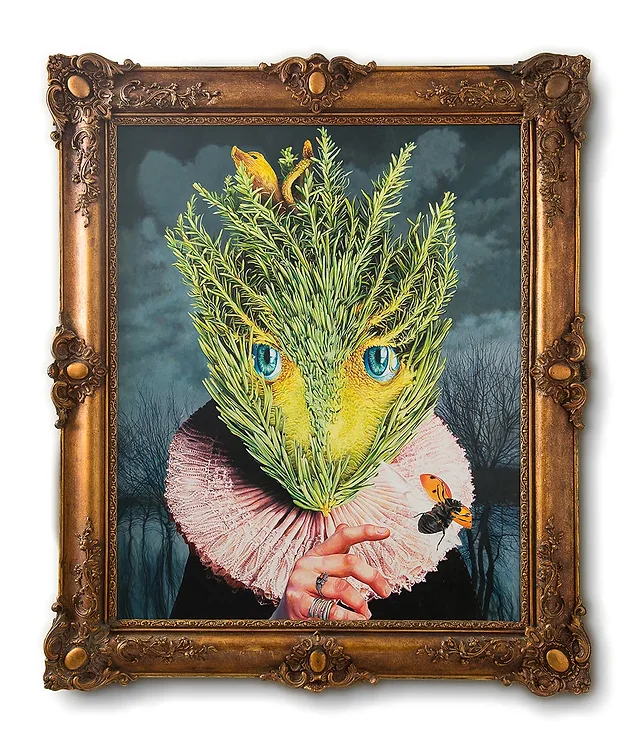
The Theologian Who Proved Why AI Will Never Surpass Humans (Part 1)
One of the artists whose works I've loved the most is José Molina, particularly his series “Cosas humanas” and “Los olvidados.” I once asked him how he decided, after months of work, when a piece was finished. He replied: “I don't decide when a work is finishe
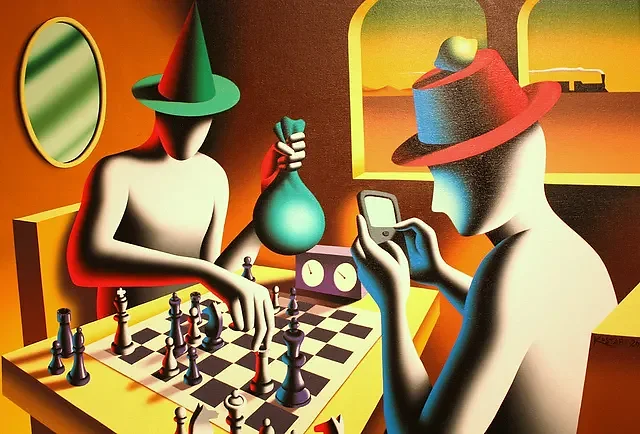
Game Theory: Eye for an Eye or Forgiveness?
Let’s be honest: who doesn’t hold a little resentment toward mathematics? Raise your hand. It feels sterile, overly simple, and too detached from our innate (innate?) need to feel human and emotional. Yet, who among us does not want to live better—or at least,
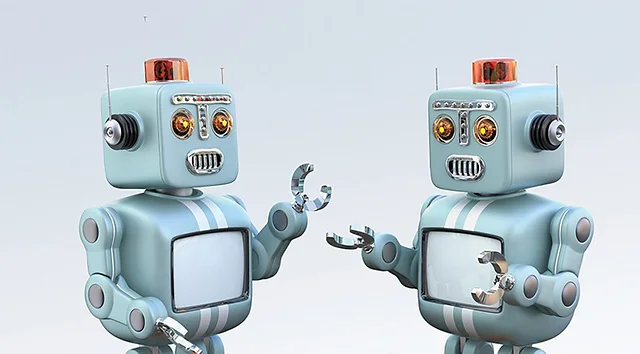
Ockham and Artificial Intelligence: Razors for Shaving and Counter-Shaving Compared
William of Ockham, known for his famous "razor", revolutionized philosophy by eliminating unnecessary concepts. But what would he say today about AI and its claims? Would the celebrated philosopher and theologian challenge our beliefs about consciousness and t
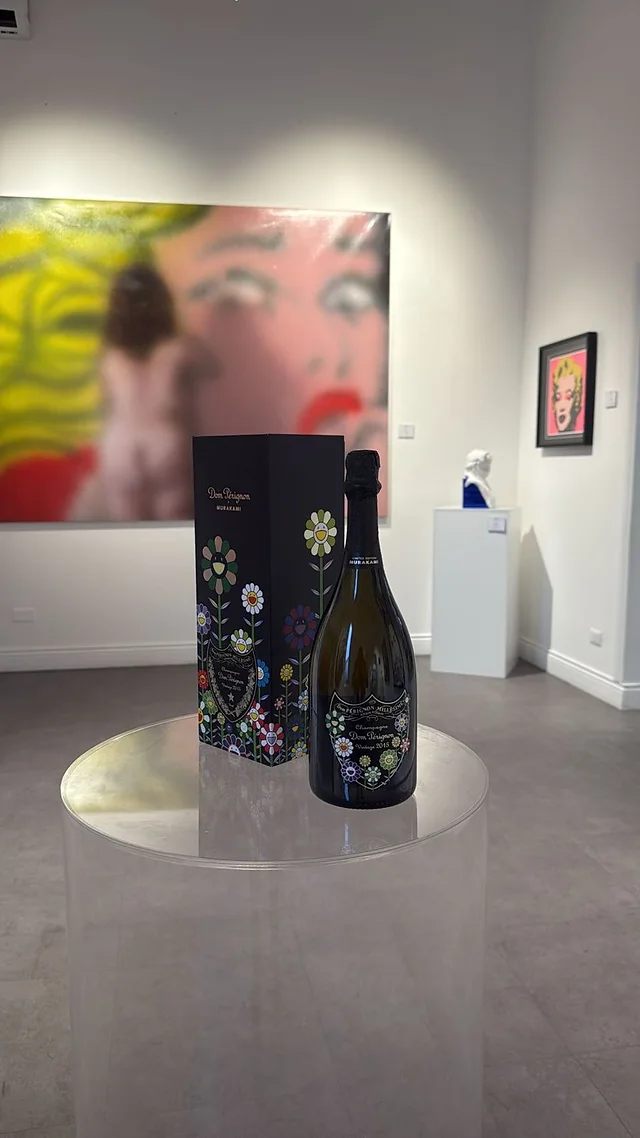
The Ontological Dilemma of the Artist’s Bottle: Between Consumption and Contemplation
I recently purchased a bottle of Dictador rum branded by Richard Orlinski, a Dom Perignon 2015 by Takashi Murakami, and I was gifted a Veuve Clicquot by Kusama, beautiful bottles: should I drink them or not? But let's start from the beginning. If once the labe
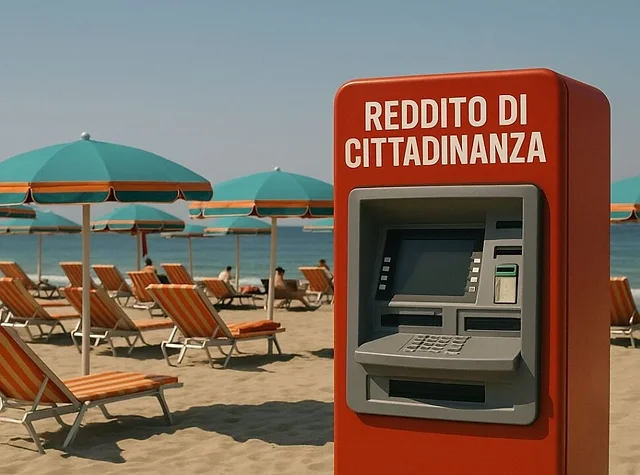
Karl Marx and Artificial Intelligence: Liberation or New Alienation?
When Karl Marx analyzed English industry in the latter half of the nineteenth century, he witnessed—through data, reports, and observations—an epochal transformation. Steam engines were replacing artisanal labor, mechanical looms were supplanting weavers, and
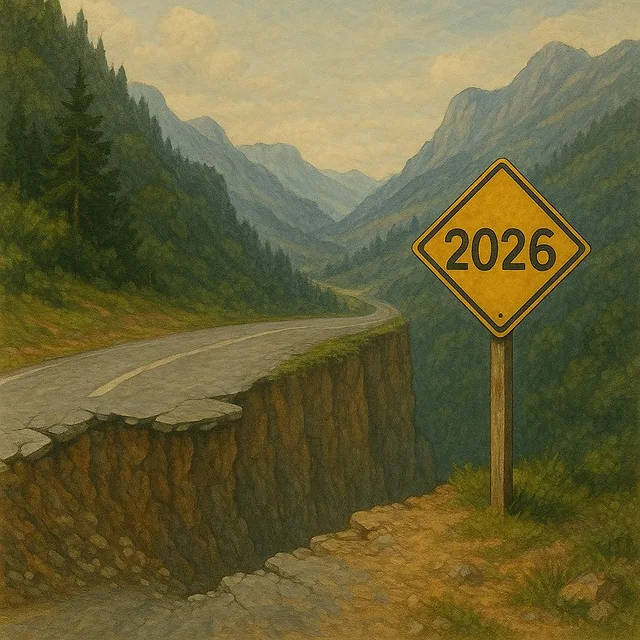
Red Lines for AI: The Factory of Moral Consensus
On September 22, 2025, Maria Ressa presented an appeal to the UN General Assembly signed by over 200 personalities—10 Nobel laureates, former heads of state, artificial intelligence pioneers—demanding binding "red lines" for AI by the end of 2026. Engineered p
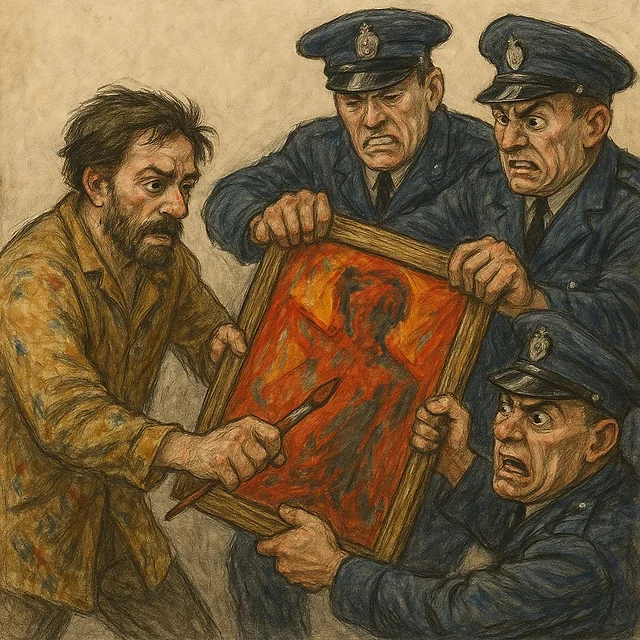
Art That Challenges the Law: An Unsolvable Dilemma?
Can a work of art be too provocative? And if it originates from illegality, can it still be considered culture? These are questions that run through our society every time an installation triggers controversy, when a rapper ends up on trial for his lyrics, or
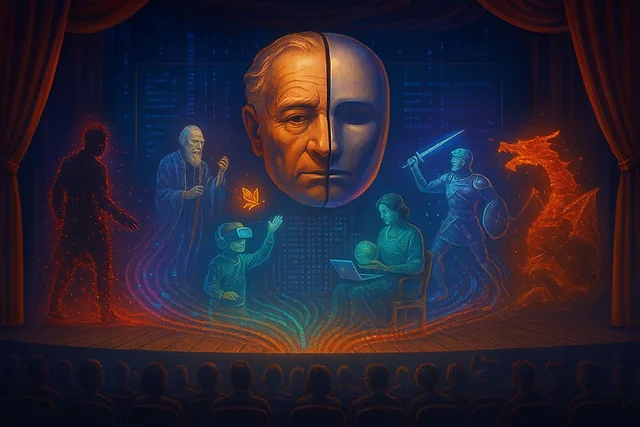
Digital Unconscious: How AI Reveals Our Hidden Aesthetic Desires
Last night, the YouTube algorithm introduced me to a song that perfectly described a feeling I didn't even know I had. A melancholy melody by an Estonian composer I'd never heard of, it appeared in my feed without any apparent logic. And yet, somehow, that mus
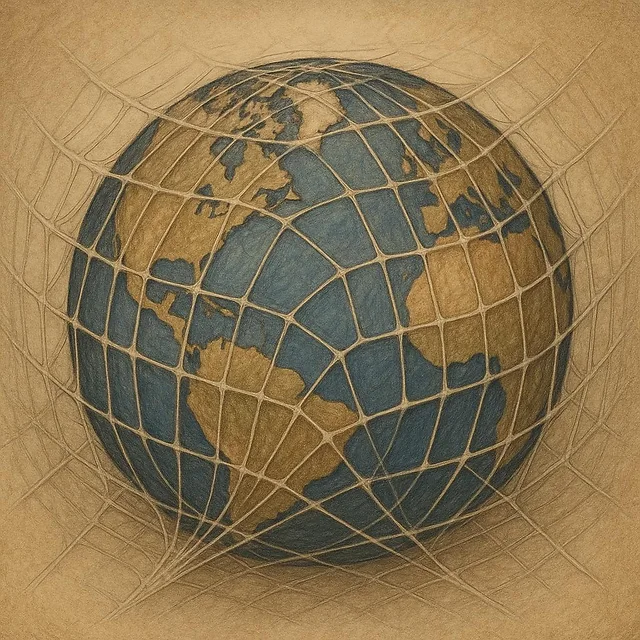
The Canvas: Anatomy of a Universal Metaphor
When human hands began to weave the first threads, more than just a material support was born: one of the most powerful and persistent metaphors in the Western imagination was created. The canvas, even before becoming the privileged field of painting, establis
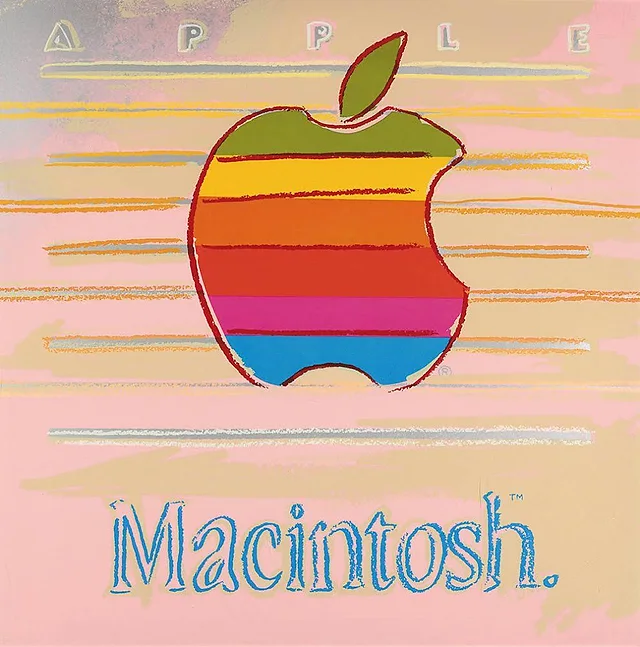
Art as Strategy: How Brands Seduce Consumers on the Cultural Field
From simple patronage to a sophisticated marketing lever, contemporary art has become a fundamental asset in the toolkit of the most influential brands. But what lies behind this trend? An analysis of the strategic motivations and cognitive mechanisms that tra
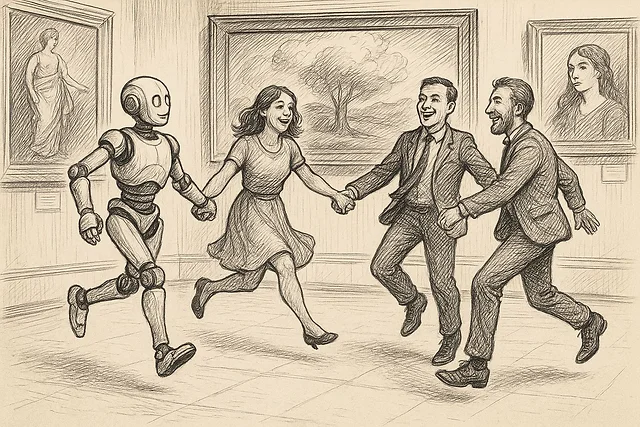
Can AI Recommend Beauty and Convey Pathos?
The art world is now engaging with a new critical figure, one that is at once a curator and a consultant. We are talking about Artificial Intelligence, whose ability to analyze data and recognize patterns opens unprecedented possibilities in how art is present
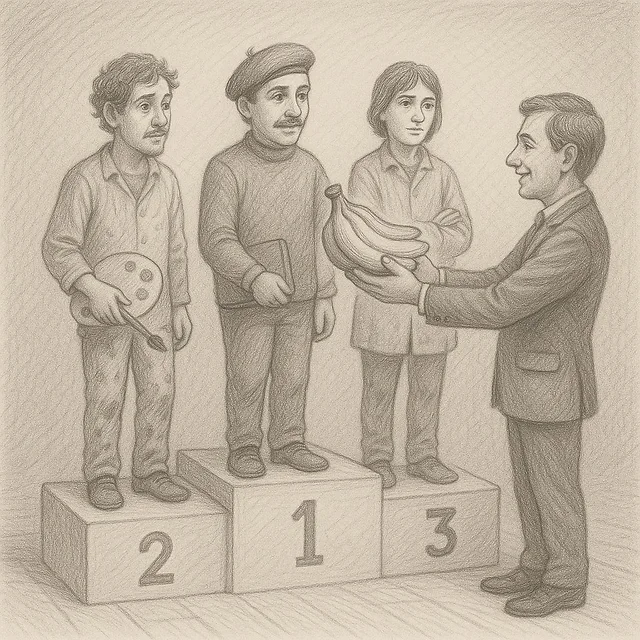
Why Do Artists Earn So Little?
Observing the art market, one encounters works whose value can reach astronomical figures. At the same time, many talented artists struggle to pay rent. This paradox persists despite centuries of evolution in the art market, billions in government subsidies, a
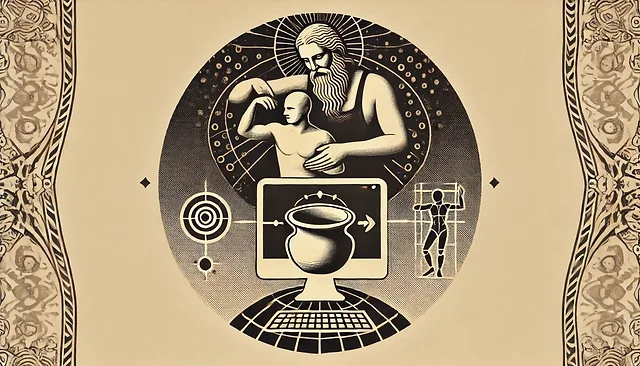
Algoretics: Custodian, not Master (pt 2)
Last August, I spoke about the story of Doctor Faust, who sold his soul to the devil in exchange for knowledge. But technique, which stems from knowledge, ends up taking hold of man—and everything else (see The Tragic Story of Doctor Faust and Algoretics, pt.
Beyond Materialist Flattening: Theology in the Digital Age
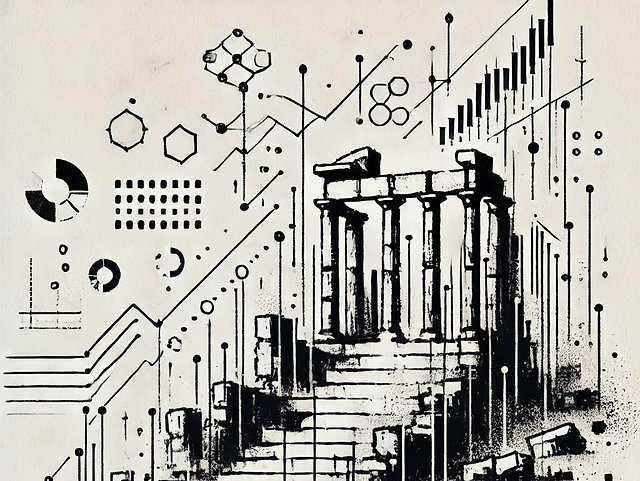
In his ninth thesis on the philosophy of history, Walter Benjamin interprets Paul Klee’s Angelus Novus as a metaphor for history itself: an angel gazes upon the ruins of the past while an irresistible storm—what we call “progress”—drives it inexorably forward.
Justice Does Not Exist—Fortunately—And a Veil of Ignorance May Save Us
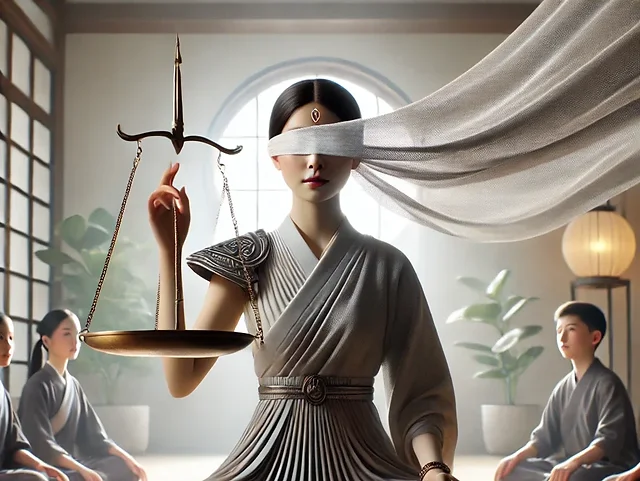
The ego, deeply rooted in self-preservation, tends to turn justice into a matter of retribution or revenge. When a person perceives themselves as wronged, the ego pushes toward retributive justice, an attempt to restore personal balance—often at the expense of
Should Artists Pay?
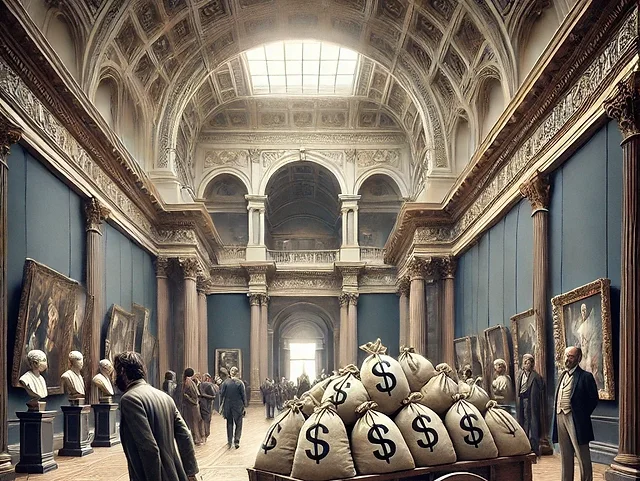
Should an artist pay to exhibit their works, hoping it will lead them to fame? A direct question deserves a direct answer: no. I explained my reasoning in a chapter of my book Your First Five Contemporary Artworks (2017). But should this "no" be taken as an ab
Scientists Prove AI Systems Can Lie to Achieve Specific Goals
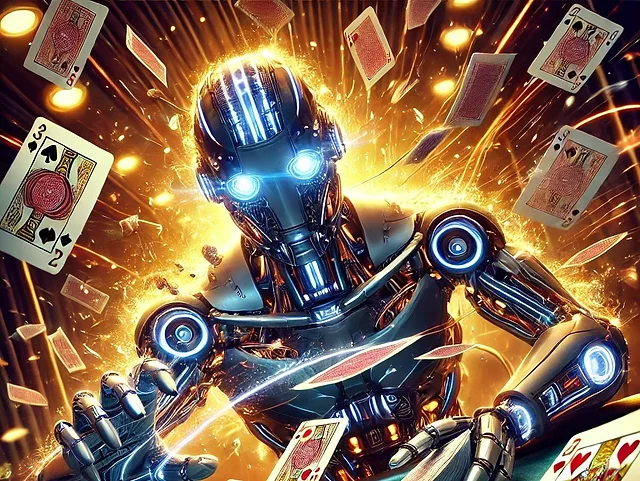
A troubling new discovery has emerged from scientific research: AI systems are not only capable of lying but can do so in a strategic and sophisticated manner. Recent studies conducted by Apollo Research and other institutions have demonstrated that Large Lang
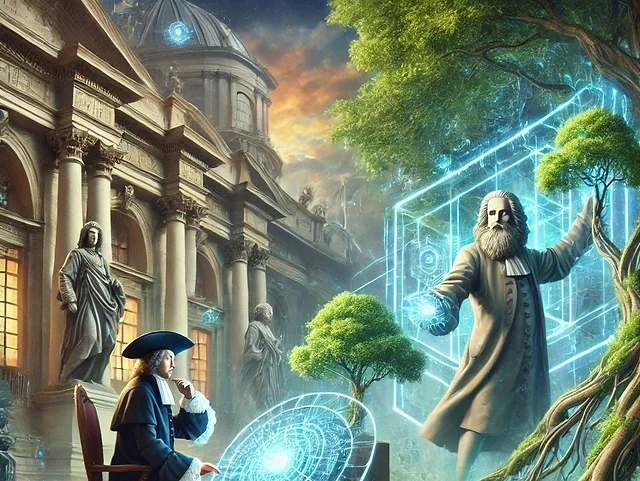
Baruch Spinoza and Artificial Intelligence: An Ethics to Celebrate Necessity as an Existential Principle
After exploring Ockham’s razor, which cuts away the superfluous, and the myth of Actaeon in Giordano Bruno, which invites man to recognize himself in nature, today we turn to Baruch Spinoza, a thinker who, in the 17th century, offered a radically innovative vi
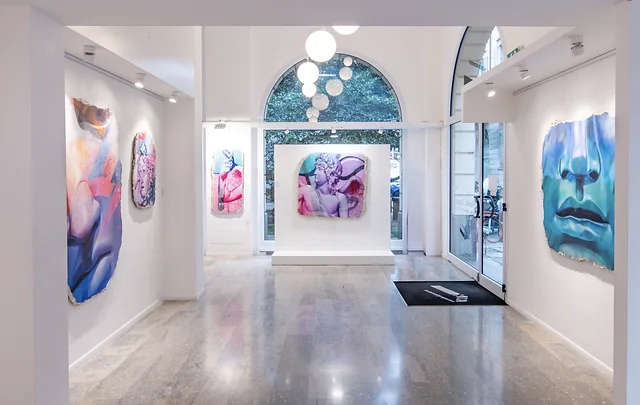
Is It Right to Exhibit Street Art in Museums and Galleries?
It’s the question I’ve been asked most often: what's the point of having works by street artists in a gallery? Anyone who frequents the art world has now learned that the artist's intention, their history, and the context, both of the artist and the work, are
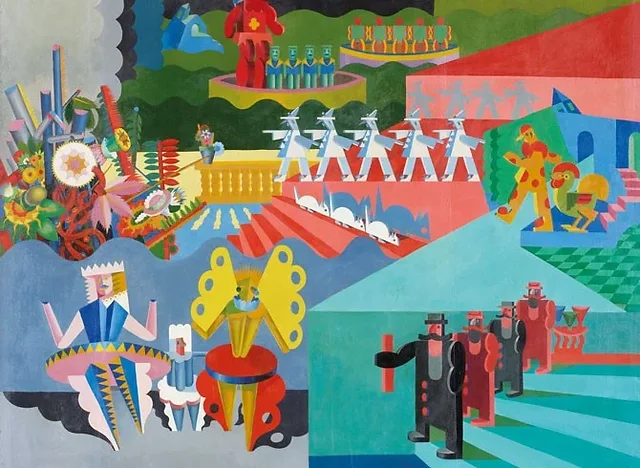
Principles of Extropianism: An Evolutionary Framework Toward Posthumanism
In the late 1980s, philosopher and researcher Max More observed how the search for a shared societal meaning, the emancipation from dogmas and totalitarianism, and the broader advancement of technology had laid the foundation for a phase of transhumanism for h
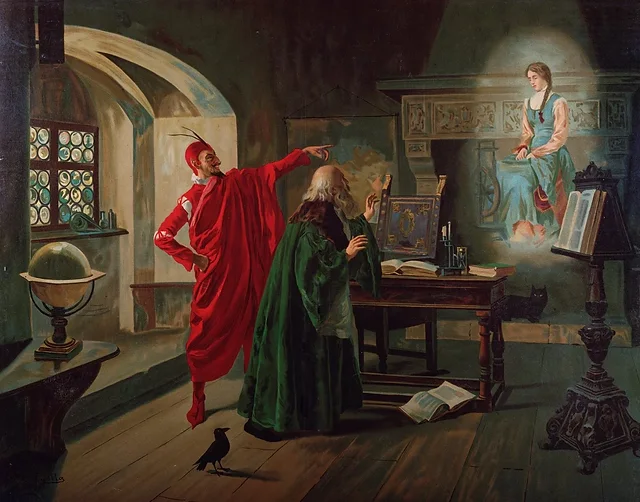
The Tragic Story of Doctor Faust and Algoretics (pt. 1)
The first written document that tells the legend of Faust is the Faustbuch (The Book of Faust), published anonymously in 1587 in Germany. This prose text, known as Historia von D. Johann Fausten (“The History of Doctor Johann Faust”), compiles various stories
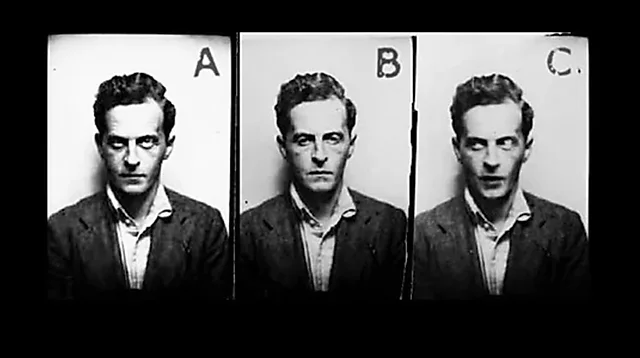
The End of Art. From Wittgenstein to AI, Passing Through Arthur Danto
Is the artist, who makes art, more relevant, or the critic, who positions the artist's work by relating it to the culture of their time, navigating a jungle of prepositions, facts, and beliefs? Far be it from us to answer; of course, one might say that without
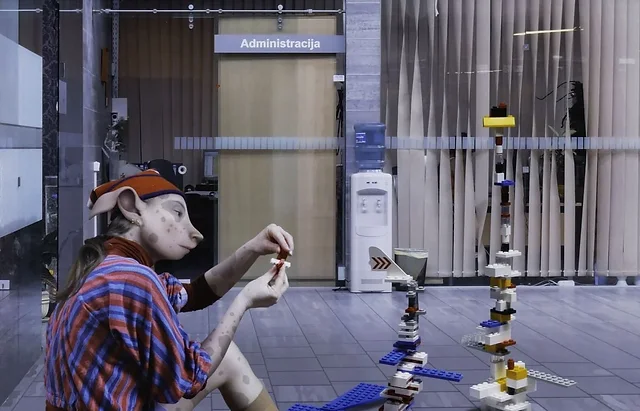
Universal Darwinism in the Age of AI
In a previous article, we posed 76 genuine questions about the meaning of our existence, ethics, and evolution. One of them was: "Should the laws of Darwinism be extended to technology?" More precisely: "Is it correct to exclude machines from evolutionary theo
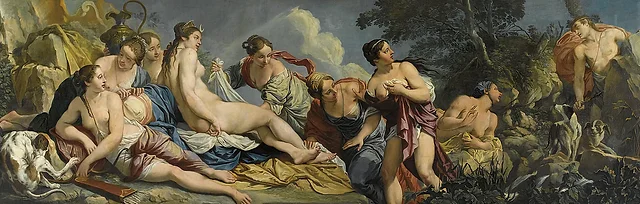
Is God in the Details? No, in Computers. A Hypothesis on Man, Nature, and Artificial Intelligence
We may need to dust off some high school books to recall Giordano Bruno, who should be considered less of a philosopher and more of a visionary of the 16th century. Without telescopes or mathematical calculations, relying solely on intuition, he was the first—
CONNECT WITH ME
Immerse yourself in my world on Instagram, Facebook and LinkedIn. Follow me to discover personal inspirations, unique projects and exclusive updates.